


What is Life Insurance?
The History of Life Insurance
Did you know that insurance has its roots in the ancient concept of the "Law of Large Numbers," which is why early humans hunted in groups? The idea remains the same: spreading risk among many so it can be managed by those who can handle it. While the modern concept of insurance developed more recently, likely during the industrial era, its origins stretch back nearly 6,000 years. In its current form, life insurance was introduced to India from England in 1818. The Oriental Life Insurance Company, established by Europeans in Calcutta, marked the beginning of the first life insurance company on Indian soil.

The Concept of Life Insurance
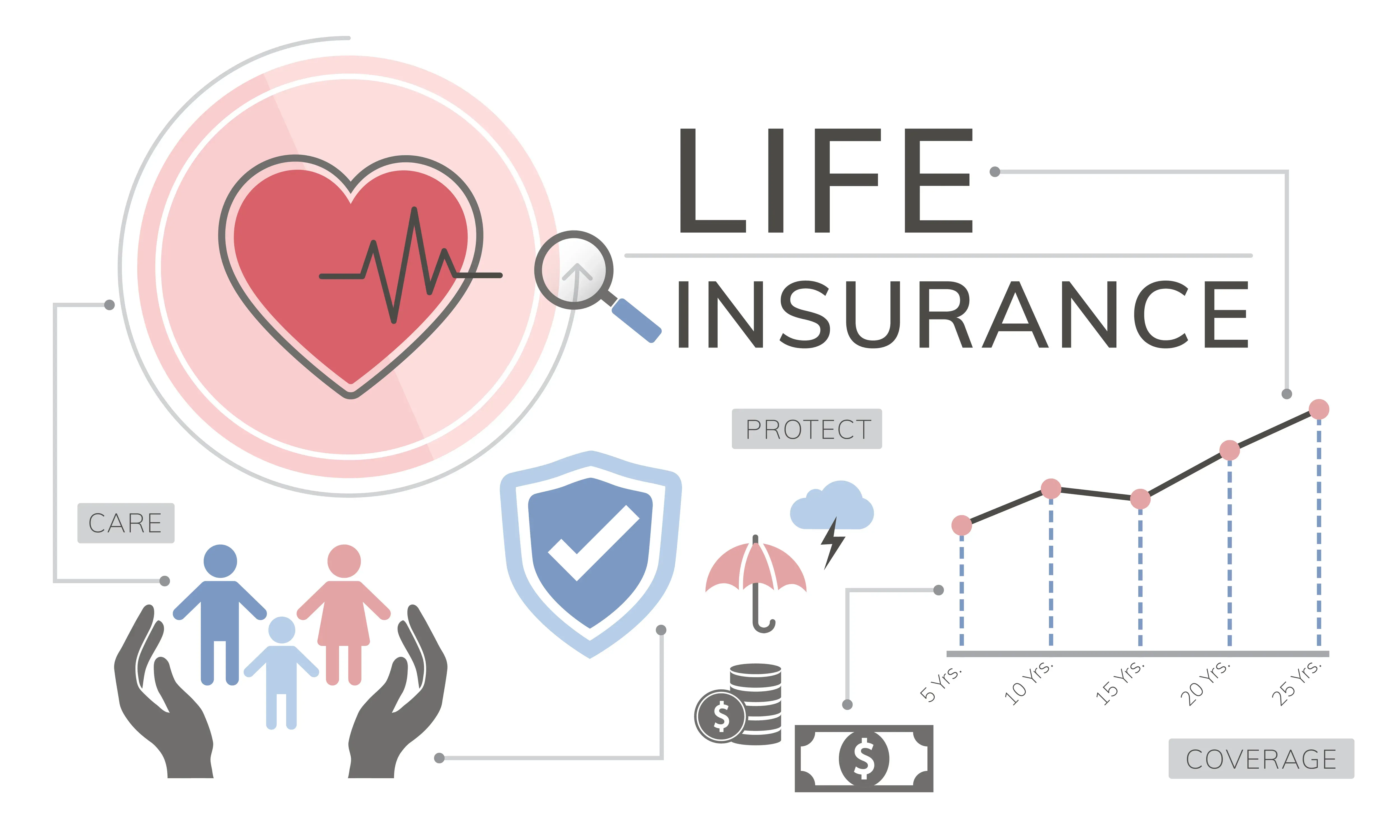
Life insurance involves a “Transfer of Risk” from the insured member to the insurer for the “Protection of the Family”. When you pay the insurance premium, it becomes the insurer’s obligation to provide a guaranteed death benefit to your chosen nominee in the event of your demise within the policy tenure.
Life insurance policies can have varying durations, ranging from 5 to 30 years, with premiums paid as a lump sum or in regular installments for your convenience. However, the policyholder must pay the premium for a policy to stay active.
Why is Life Insurance important?
Life insurance is a crucial financial tool for individuals across all economic and social backgrounds. It serves as a safety net for your loved ones, particularly those who depend on your income. In the unfortunate event of your death, the death benefits they receive can replace lost income, settle debts, and cover daily and future expenses. Beyond protection, life insurance offers tax benefits and can serve as an investment vehicle depending on the policy type. The best part of life insurance is that once a policy starts, the premium is fixed for the entire duration and doesn’t increase with age. This is why life insurance should be bought as early as possible to lock in lower premiums and higher benefits!

Earning stops, but expenses continue.
The loss of a loved one is always heartbreaking, especially if they were the primary breadwinner. Beyond the emotional toll, the sudden absence of income leaves the family vulnerable. While your earning capacity ceases with your passing, your family's financial obligations persist. Life insurance bridges this gap, ensuring your family's financial stability during their time of need. Financial responsibilities will be never-ending, from school fees, house rent, household expenses, and medical emergencies. The right policy can ensure that your family's financial well-being is protected.

Key Takeaways
Life is unpredictable, but you can prepare for uncertainties with life insurance:
- It's a legal contract ensuring a death benefit to your nominee.
- Premiums must be paid to keep the policy active. Beyond protection, it serves as a versatile financial tool, including tax benefits and potential returns.
- Secure your family's future with life insurance as early as possible.

Life insurance is a “Transfer of Risk”
The transfer of risk occurs through a formal contract where one party pays a specified amount to another party to mitigate potential losses that may or may not occur. The primary purpose of purchasing a life insurance policy is to ensure that your loved ones are financially protected in the event of a tragedy. While you may leave behind assets for your family, they may not be sufficient to sustain them for long. By transferring this risk through a life insurance policy, you ensure that the responsibility is shifted to the insurance company.
Components of Life Insurance
Let's explore the key components of a life insurance policy:
- Sum Assured: The amount your nominee receives upon your death during the policy term.
- Premium: The cost you pay for the policy, either as a lump sum or through regular payments.
- Premium Paying Term: The duration over which you pay premiums, whether for the entire policy term or a limited period.
- Policy Tenure: The length of time your coverage remains active; if you pass away during this period, the payout goes to your nominee.
Raman’s gift to his loved ones
Raman was just 13 years old when his father, a successful businessman, tragically passed away in a car accident. Both Raman and his mother faced immense challenges due to this loss. Fortunately, they were financially secure because Raman’s father had purchased a life insurance policy. This policy not only helped cover their regular expenses but also supported their long-term goals and dreams. Thanks to this financial stability, Raman was able to pursue quality education without relying on others for financial aid. He excelled academically, eventually earning scholarships and completing his MBA from a prestigious university. When Raman started his first job, he quickly purchased a life insurance policy. Through this proactive step, he fortified his financial security and demonstrated his commitment to protecting his loved ones.
Family first
Life insurance is the FIRST step of any sound financial plan, offering essential protection for your loved ones. It is said to be the foundation of every financial plan, on the ladder of wealth accumulation, life insurance should be the first step. As your family and responsibilities grow alongside your financial strength, you can expand your coverage accordingly. There's no limit to how many insurance plans you can secure, as long as each serves the purpose of providing vital protection when it's needed most.
Conclusion
A life insurance policy offers a straightforward way to safeguard your family from life's uncertainties. Timely planning can empower them to navigate life's challenges without relying on others. In addition to protection, life insurance can provide tax advantages and investment opportunities. With various plans available, choose wisely to ensure savings and growth align with your financial goals. You only need to know how Life Insurance works, and then you can explore smartly and then choose wisely.
Trivia Time
1. Which among the following is a method of risk transfer?