


How does Life Insurance work?
Your Coverage Requirements
Imagine living in an Eutopian world where you never have to stress about money, even if you're not around to take care of your loved ones. Sounds like a fantasy, right? Maybe like something out of a Shaktiman or Robin Hood story?
Well, it's not entirely fiction. With the right life insurance, you can make sure your family’s financial future is secure, even if you’re not there to provide for them.
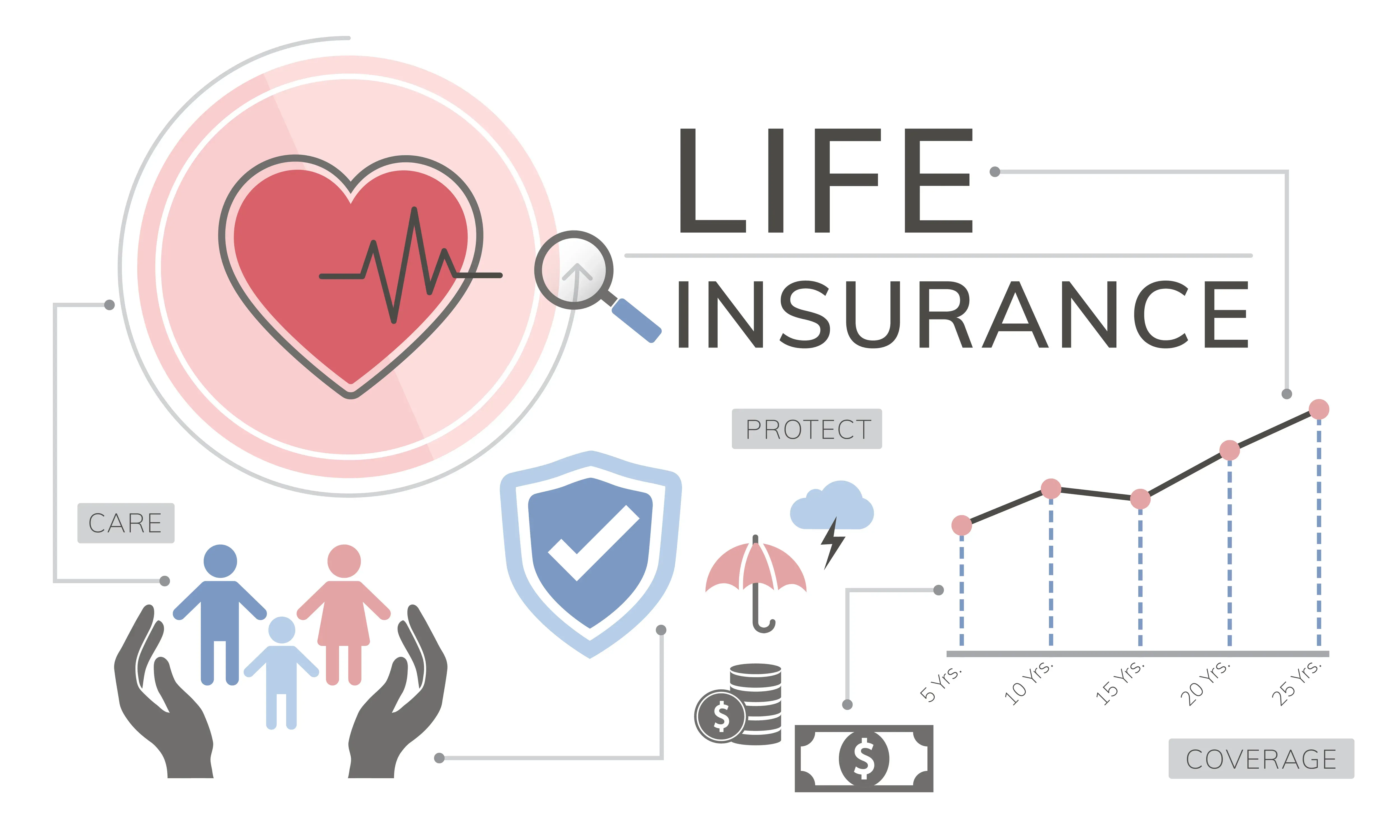
Think of life insurance as a safety net. It’s a contract that promises a payout to your designated person (or people) if something happens to you. To keep this security blanket intact, you just need to pay the premium, as an initial lump sum or make regular payments.
If the unexpected happens during the policy term, the person you’ve nominated gets the money. This payout can be a one-time lump sum, come in installments, or even a mix of both, based on what you choose.
So, while life might be unpredictable, ensuring your family’s financial security doesn't have to be. Life insurance can be your modern-day hero move.

Factors Affecting the Premium
Several factors impact life insurance premiums, such as:
Age: Younger and healthier folks usually end up paying less. As you get older and health risks increase, the cost goes up.
Gender: Women often get lower premiums because they tend to live longer than men.
Health and Medical History: If you have a serious pre-existing condition, your premiums will be higher since you’re a bigger risk to insure.
Coverage Amount: More coverage equals higher premiums.
Type of Life Insurance: Different plans like term life, endowment, whole life, ULIPs, and money- back policies have different purposes and prices.
These elements shape how much you will pay for your life insurance. Hence, choose wisely! .
Maturity Claim
Unlike a survival claim, a maturity claim can only be filed at the end of the policy term. It’s the amount the insurance company pays when the policy reaches maturity date. This sum includes the predetermined assured amount plus any benefits, such as loyalty additions and bonuses, if applicable.
Except for most types of term insurance plans, almost all life insurance policies offer a maturity benefit. The payout options are:
Lump Sum: Receive the entire amount at once.
Periodic Instalments: The maturity benefit is paid out in regular instalments.
This benefit ensures you get a financial boost when your policy matures.

Key Takeaways:
- Life insurance is a legally binding contract guaranteeing a death benefit to your chosen nominee.
- It ensures financial security for your dependents when you're not around.
- Various premium payment options include single premium plans, limited pay plans, and regular pay plans, each with its own terms and conditions.
- Factors like age, gender, health status, chosen coverage amount, and type of life insurance plan significantly impact your premium rates.
- There are three main types of claims in life insurance, each serving a different purpose.

Paying the Premium
Before you lock in your life insurance policy, your insurer will determine the premium you will need to pay for the chosen coverage. Most life insurance plans come with a policy tenure of 5 to 80 years. You’ve got a few options for how to pay:
Single Premium Plans: Pay a one-time lump sum when you get the policy.
Limited Pay Plans: Pay premiums for a set number of years, but get coverage for the whole term.
Regular Pay Plans: Keep paying premiums for as long as your coverage continues.
Choose the plan that vibes best with your financial game plan.
Survival Claim
A survival claim is paid out in the case of anticipated endowment plans, also known as money-back plans, wherein you receive interim payments as long as the insured person is alive. In simple terms, a survival claim or survival benefit is a portion of the sum assured that the insurer pays to the policyholder after a set number of years. This term and amount are decided when you buy the life insurance plan. These plans are often called money-back plans.
The survival benefit can be a key tool for hitting your financial goals. Since it's immune to market risks, you can use it as a supplementary income stream.
Death Claim
The death benefit is the foundation of a life insurance plan and the main reason for investing in a protection plan. A death claim is made if the insured person passes away during the policy term. This benefit is the assured sum promised to be paid to your designated nominee upon your death.
While the maturity benefit is typically aimed at long-term financial goals like retirement or wealth accumulation, the primary purpose of the death benefit is to provide immediate financial support to your family in the event of your death.
Conclusion
Understanding how a life insurance policy works is essential for ensuring financial security. Being clear about its meaning, functioning, and claim process helps you choose the best policy for your and your family’s financial needs. Take the time to dive into the details of coverage, factors affecting premiums, and claim types so you can make informed decisions about your family’s financial well-being.
Whether it’s about securing your loved ones’ future or planning for long-term financial goals, life insurance offers a range of benefits tailored to your needs. You only need to know how much coverage you should have. Do you have any idea about that?
Trivia Time
1. What is the primary purpose of life insurance?